ApplicationApplication
-

Pouring
Pouring
-

Hardening Treatment
Hardening Treatment
-

Heat Treatment Furnace
Heat Treatment Furnace
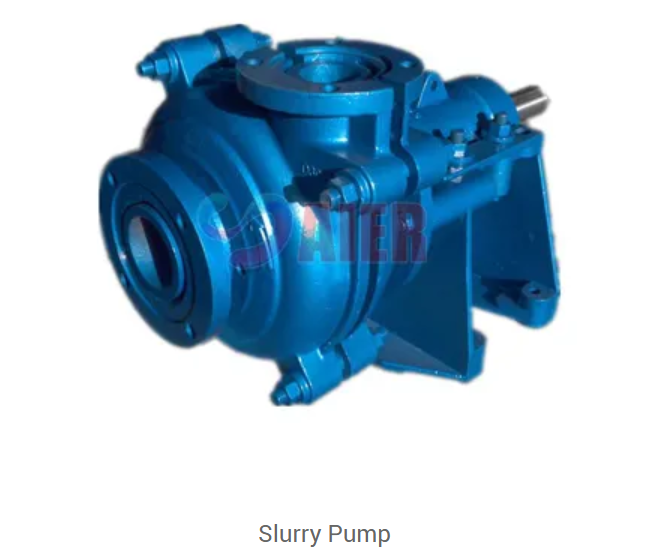
high quality 8/6 rubber slurry pump factoryhigh quality 8/6 rubber slurry pump factory
Selection of Warman Slurry Pumps A Comprehensive Guide When it comes to the handling of abrasive slurries in mining and mineral processing, the choice of pump is crucial. Warman slurry pumps have gained a reputation in various industries for their reliability and efficiency. This article aims to provide a comprehensive guide on selecting the appropriate Warman slurry pump for your specific applications, taking into account various factors that influence performance and durability. Understanding the Slurry Pump Application The first step in selecting a Warman slurry pump involves understanding the specific application requirements. Slurry pumps are primarily used for transporting abrasive slurries that can contain solid particles of various sizes and densities. It's important to define the characteristics of the slurry, including the particle size distribution, concentration, and viscosity, as these factors drastically influence pump performance. Key Features of Warman Slurry Pumps Warman slurry pumps are designed with several integral features that make them suitable for harsh operating environments 1. Durability Constructed from high-quality materials, Warman pumps can withstand wear and tear caused by abrasive materials. The heavy-duty design ensures that the pump can handle aggressive slurries over long periods. 2. Versatility Warman pumps come in various sizes and configurations, making them adaptable to a wide range of applications, from dredging and coal handling to mineral processing and wastewater treatment. 3. Efficiency Equipped with advanced hydraulic designs and impeller configurations, these pumps provide excellent performance in terms of flow rates and energy efficiency, which can lead to significant cost savings . 4. Maintenance The design of Warman pumps allows for easy maintenance and replacement of wearing parts, further extending the pump’s lifespan and reducing downtime. warman slurry pump selection factory Selecting the Right Pump Size and Model Choosing the right size and model of Warman slurry pump involves a careful analysis of the flow rate requirements and the total dynamic head (TDH). The flow rate is typically measured in cubic meters per hour (m³/h), and it should match the required throughput of the application. Determining the TDH involves accounting for various factors such as the vertical lift, friction losses within the piping system, and any other resistance encountered during operation. Warman offers a variety of models that cater to different flow and pressure requirements. It’s essential to consult the manufacturer's performance curves to locate the model that operates at the desired duty point, ensuring optimal efficiency and minimal wear. Considerations for Pump Materials One of the critical aspects of selecting a Warman slurry pump is choosing the appropriate materials for both the wet ends and the impellers. Warman pumps are typically available in a range of constructions, such as rubber or metal, each suited for different types of slurries. Rubber-lined pumps are ideal for handling corrosive slurries, while metal pumps are preferred for abrasive applications due to their increased hardness. Pump Configurations and Options Warman slurry pumps can be configured in various ways to suit particular operational needs. Options may include different impeller designs, drive systems, and configurations such as horizontal or vertical mounting. Each configuration has its advantages and disadvantages based on space constraints, flow direction, and accessibility for maintenance. Conclusion In conclusion, selecting the right Warman slurry pump involves careful consideration of slurry characteristics, flow requirements, pump size and configuration, material selection, and specific application needs. By thoroughly evaluating these factors and leveraging the expertise offered by the manufacturer, industries can choose a pump that not only enhances operational efficiency but also ensures longevity and reliability in the face of challenging conditions. Investing in the appropriate Warman slurry pump can lead to improved productivity and reduced operational costs, making it a critical component for success in slurry handling applications.